What to Use to Get Stains Out of a Couch: A Complete Guide
The right stain remover depends on two things: your couch's care tag code and the type of stain. This guide maps both to the exact cleaner and technique, so you stop guessing and start lifting stains.
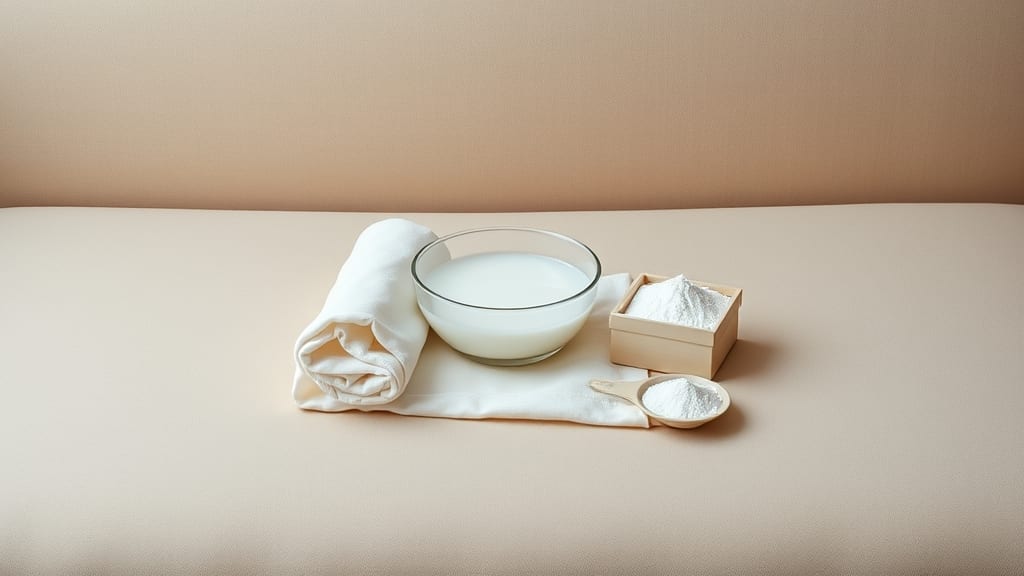
Match the Cleaner to the Fabric and Stain
The right stain remover for your couch depends on two things: the fabric care code on your upholstery tag, and the category of stain you're dealing with. Get either one wrong and you risk setting the stain permanently - or damaging the fabric itself. Match both correctly, and most stains come out with products you already own.
Start with the care code. Angi explains the four codes sewn into nearly every upholstered piece:
- W - water-based cleaners only
- S - dry solvent only, no water
- S/W - either water or solvent solutions are safe
- X - vacuum only; no liquid of any kind
Using water on an S-coded fabric can cause shrinking, watermarks, or permanent discoloration. Using a solvent on a W-coded fabric can strip the finish. Check the tag first. It takes 10 seconds and saves the couch.
Next, identify the stain type. There are three categories, and each needs a different approach.
Water-based stains - juice, coffee, wine, soda - respond well to a dish soap and white vinegar solution. A tested formula is 1 tablespoon dish soap, 1 tablespoon white vinegar, and 2 cups of warm water.
Oil-based stains - grease, butter, body oils - need absorption before any liquid cleaning. Cornstarch or baking soda applied directly to the stain pulls the oil out of the fibers first. Skip this step and you'll drive the grease deeper.
Protein stains - blood, pet urine, vomit - require an enzymatic cleaner. Molly Maid notes that enzymatic formulas chemically break down organic matter rather than just masking it. Standard soap won't do that job.
One rule applies across all three categories: blot, never rub. Rubbing spreads the stain and damages the weave. Use a clean white cloth and press straight down. Always test your chosen cleaner on a hidden area - under a cushion or along the back seam - before applying it to a visible spot.
Boise's dry climate means spills evaporate fast, but that speed can also lock stains in before you act. The faster you treat it, the better your odds.
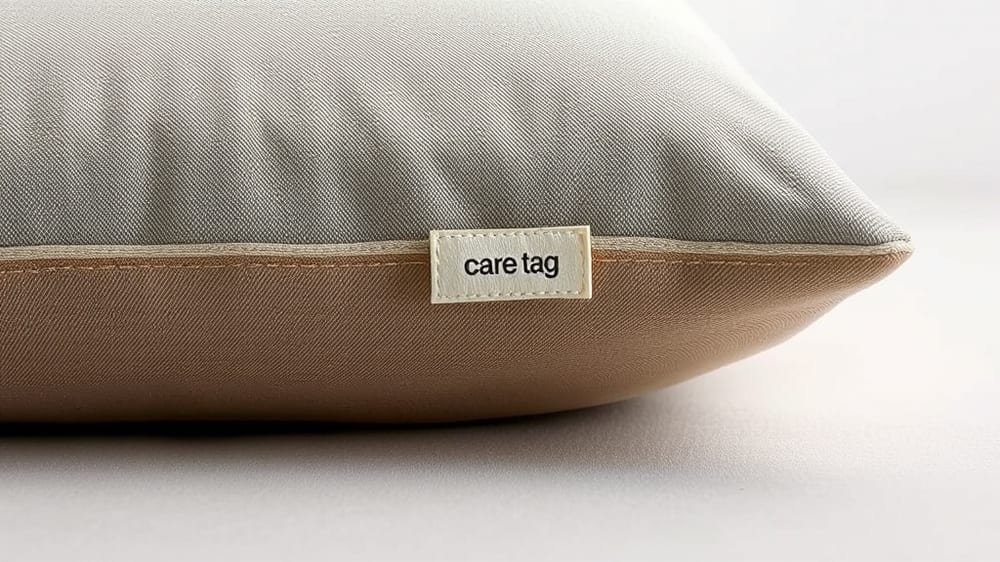
A Stain-and-Fabric Decision Matrix
Most stain guides tell you what cleaner to use. Almost none tell you whether your fabric can handle it. That gap is where couches get ruined.
Every upholstery tag carries a care code. [W] means water-based cleaners are safe. [S] means solvents only - water will leave rings or shrink the fibers. [S/W] allows both. [X] means hands off: vacuum only, no liquids at all. Check your tag before you touch the stain.
Here is how stain type and care code combine into a single decision:
Water-based stains (juice, coffee, wine) on a W or S/W fabric: mix 1 tablespoon dish soap, 1 tablespoon white vinegar, and 2 cups warm water. Blot - never rub - with a clean white cloth. Rubbing spreads the stain and pills the surface. On an S-coded fabric, skip this entirely and use a dry-cleaning solvent instead.
Oil-based stains (grease, butter, salad dressing) on any fabric: start with a 10-15 minute cornstarch or baking soda application to pull the oil out of the fibers before any liquid touches the surface. Skipping this step and going straight to a cleaner just drives the grease deeper. On W or S/W fabric, follow with the dish soap solution above. On S fabric, follow with solvent after the dry-absorption step.
Protein stains (blood, pet urine, vomit) on W or S/W fabric: reach for an enzymatic cleaner. These products chemically break down organic matter rather than just masking it - critical for pet urine, which bonds to fibers at a molecular level. Standard soap leaves behind the compounds that cause lingering odor. On S-coded fabric, professional treatment is the safer call.
X-coded fabric under any stain type: blot up as much liquid as possible with a dry cloth, sprinkle baking soda, let it sit 15 minutes, then vacuum. That is your only safe move without risking permanent damage.
One rule applies across every cell of this matrix: test your chosen cleaner on a hidden seam or cushion underside first. Boise's dry high-desert climate means fabrics here can be more brittle than the tag alone suggests, especially on older pieces that have seen years of low humidity.
The Best DIY Formulas, Step by Step
Every formula below assumes your couch carries a "W" or "S/W" care code. Check the tag first. If it reads "S" or "X", skip the water-based methods entirely.
For water-based stains - juice, coffee, tea
Mix 1 tablespoon dish soap, 1 tablespoon white vinegar, and 2 cups warm water. Dip a clean white cloth into the solution and blot - never rub - from the outside edge of the stain toward the center. Rubbing spreads the stain and pills the fabric. Rinse by blotting with plain cold water, then press a dry cloth over the spot to pull moisture out.
For grease and butter
Skip the liquid cleaner first. Cover the stain generously with cornstarch or baking soda and leave it for at least 15 minutes. The powder draws oil out of the fibers before it sets deeper. Vacuum it away, then follow with the soap-vinegar solution above if any residue remains. Skipping this absorption step and going straight to water pushes grease further in.
For protein stains - blood, pet urine
Enzymatic cleaners are the right tool here. They chemically break down organic matter rather than just masking it. Standard soap-vinegar solutions can't do that job. Apply the enzymatic cleaner per label directions, let it dwell, then blot and rinse.
For red wine
Act within the first 2 minutes if you can - dried wine bonds to fabric quickly. Blot up as much liquid as possible first. Then mix a paste of baking soda and a small amount of club soda, spread it over the stain, and let it sit for 10 minutes. The carbonation in the club soda helps lift the wine pigment while the baking soda absorbs it. Vacuum the dried paste, then treat any remaining color with the dish-soap-and-vinegar formula.
One rule cuts across all four methods: test any solution on a hidden area - the back corner or under a cushion - before applying it to a visible spot. Boise's dry climate means fabrics can dry fast, which is helpful, but it also means a bad reaction sets quickly. Test first, treat second.
Technique Matters as Much as the Product
The right cleaner fails every time if you apply it wrong. Product choice gets most of the attention, but application technique is where stain removal actually succeeds or breaks down.
Start with the cardinal rule: blot, never rub. Rubbing drives the stain deeper into the fiber and causes pilling and dye transfer. Press a clean white cloth firmly onto the stain, lift, and repeat. Work from the outside edge inward so you don't spread the mark. Molly Maid reinforces this - even one aggressive scrubbing pass can set a stain that was otherwise removable.
Temperature matters more than most people expect. Protein stains - blood, pet urine, egg - bond to fabric fibers under heat. Always use cold water on those. Warm or hot water denatures the proteins and locks the stain in place, making enzymatic cleaners far less effective afterward.
Over-wetting is the hidden enemy. Soak a cushion and you risk three problems: watermarks ringing the wet area as it dries, mold developing inside the foam core, and fabric shrinkage that distorts the cushion shape permanently. Use a lightly dampened cloth, not a soaking one. If you're using a spray bottle, two or three short bursts are enough.
Always patch-test first. Find a hidden spot - the back panel or under a seat cushion - and apply your solution. Wait 5 minutes and check for color bleed or texture change before treating the visible area. Angi notes this step is especially critical on S-coded (solvent-only) and delicate fabrics.
For stubborn set-in stains, a tested DIY formula combines 1 tablespoon dish soap, 1 tablespoon white vinegar, and 2 cups of hot water. Some cleaners add a small amount of hydrogen peroxide for whitening power - but use it with caution. Hydrogen peroxide can bleach darker fabrics, and mixing it with ammonia creates toxic fumes. Never combine those two. If you use hydrogen peroxide at all, keep it diluted, work in a ventilated room, and test it first on a hidden area.
Good technique costs nothing. It just requires slowing down.
Microfiber, Leather, and Solvent-Only Couches
Your fabric code changes everything. Before you reach for any cleaner, flip the cushion and find the tag - it tells you exactly what the manufacturer allows.
Microfiber (W or S/W code)
Microfiber looks forgiving, but water is its enemy. Apply it carelessly and you end up with a ring worse than the original stain.
The fix is rubbing alcohol. Dampen a clean white cloth with plain isopropyl alcohol and blot the stain using a blot-and-rinse technique - never scrub. Alcohol evaporates faster than water, so it lifts the stain without soaking the fibers and leaving that telltale watermark. After the stain lifts, fluff the fibers with a soft-bristle brush while the fabric is still slightly damp.
Leather and Faux Leather
Leather is tougher than it looks, but it punishes the wrong cleaner fast.
For most fresh stains, a barely damp cloth is enough. For ground-in grime, a small amount of dish soap diluted in water works - wipe gently, then buff dry immediately. Never let moisture sit. Conditioning the leather every 6 to 12 months keeps the surface from cracking, which is where Boise's dry high-desert climate does the most damage. Faux leather follows the same rules but is less forgiving of oil-based products, so skip anything with petroleum solvents.
S-Coded Fabrics (Solvent Only)
An S code means water will damage the fabric - full stop. This includes many velvet blends and delicate woven upholsteries.
Your only safe option here is a dry-cleaning solvent. Apply a small amount to a clean white cloth, blot the stain from the outside edge inward, and let it air-dry completely in a ventilated room. Do not use the vinegar-and-dish-soap formula here. Do not use steam. Water in any form - including the moisture in a steam cleaner - can cause permanent shrinkage or spotting on S-coded fabric.
If you are unsure whether your couch tag reads S or S/W, treat it as S-only. The conservative call costs you nothing. The wrong call costs you a couch.
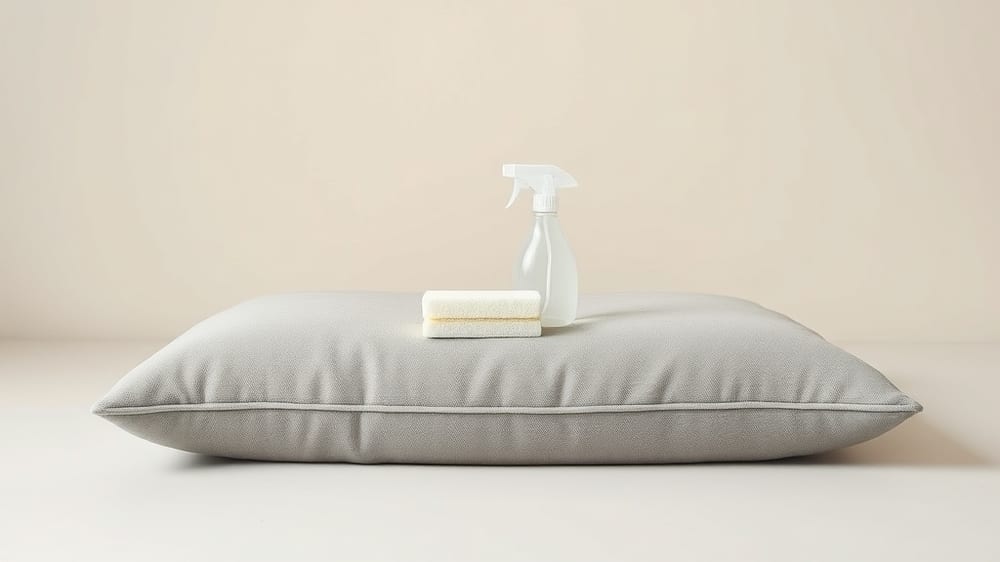
Commercial Products That Actually Work
Not every stain surrenders to dish soap and vinegar. For set-in or stubborn marks, three commercial products consistently outperform the rest - Folex, Resolve, and Wine Away. Each has a lane. Knowing which to reach for saves your couch and your patience.
Folex is the closest thing upholstery cleaning has to a consensus winner. It works on water-based stains - coffee, juice, pet accidents - and it's water-based itself, which means it's safe on W-code and S/W-code fabrics. Apply it directly, work it in with your fingers, then blot with a clean white cloth. No rinsing required. Boise homes with kids and pets tend to keep a bottle within arm's reach.
Resolve is a foam-based cleaner that handles a broader range of stains, including light grease and food residue. The foam format gives you control - you're not soaking the fabric, just sitting the cleaner on top. That matters on thicker upholstery where over-wetting causes mildew underneath. Still a W-code product, so keep it away from any tag marked S or X.
Wine Away is purpose-built for tannin stains - red wine, grape juice, berry. Tannin-based stains set fast and respond poorly to generic cleaners. Wine Away uses a citrus-extract formula that lifts the pigment without bleaching the fabric. Use it within the first 10 to 15 minutes of a spill for the best result.
Three rules apply to all three products:
- Check the fabric code first. Using a water-based product on an S-code fabric can cause permanent shrinkage or ring marks.
- Test on a hidden area - under a cushion flap works - and wait 5 minutes before committing.
- Blot, never scrub. Scrubbing spreads the stain and pills the fiber.
For protein stains like blood or pet urine, none of these three is the right first call. That's where an enzymatic cleaner does the chemical work that surface cleaners can't. Match the product to the stain type, and the fabric code to the product - that sequence is what separates a clean couch from a damaged one.
When DIY Fails: Steam, Rentals, and Professional Cleaning
Sometimes dish soap and white vinegar aren't enough. When surface cleaning leaves a stain behind - or makes it look worse - you need a different tool, not a different recipe.
Steam and Rented Equipment
A handheld steam cleaner works well on fabrics coded W or S/W. The heat loosens embedded grime and kills odor-causing bacteria without soaking the cushion. Keep the nozzle moving - holding it in one spot too long can wet the foam underneath and invite mildew.
If you want deeper extraction, rent a rug shampooer with an upholstery attachment. Most hardware and grocery stores in Boise carry them for around $30-$40 per day. The attachment uses a small rotating brush and suction to pull dirt out of the weave rather than just pushing it around. Run a clean-water pass at the end to rinse out any residue.
One caution: check your fabric tag first. If the code is S (solvent only) or X (vacuum only), water-based steam or shampooer use can shrink the fabric or leave permanent tide marks. No rental machine is worth a ruined couch.
When to Call a Boise Professional
Three situations almost always outpace home equipment.
Pet urine. Urine soaks past the fabric into the foam and the frame. Enzymatic cleaners help at the surface, but the crystals in dried urine re-activate with humidity - and Boise summers get warm enough to trigger that cycle repeatedly. A professional extraction machine reaches the foam layer. Surface treatment alone rarely solves it permanently.
Set-in stains. A stain older than 24-48 hours has bonded to the fibers. At that stage, DIY products can lighten the mark but rarely erase it. Professional hot-water extraction at higher temperatures and pressures than any rental unit achieves is often the only path to full removal.
A worsened DIY attempt. If you've already rubbed the stain, used the wrong solvent, or spread the mark, stop. Each pass drives pigment deeper. A professional can assess what's actually in the fabric before applying heat or chemicals - something a rented machine can't do.
The rule is simple: rent equipment for general grime, call a professional for biology and anything that fought back.
Frequently Asked Questions
What do care tag codes mean? Your couch tag carries one of four codes. W means water-based cleaners only, S means dry-solvent only, S/W means either, and X means vacuum only - no liquids at all. Ignore these and you can permanently damage the fabric.
What's the best homemade cleaning formula? Mix 1 tablespoon dish soap, 1 tablespoon white vinegar, and 2 cups warm water. This combination consistently outperforms most single-ingredient DIY options in side-by-side tests. Blot - never rub - with a clean white cloth.
What about set-in stains? Act before the stain dries, but if you're too late, commercial products like Folex or Resolve give you the best shot at reversal. Saturate the stain, let it dwell 5 minutes, then blot from the outside edge inward.
How do I handle pet urine and odor? Use an enzymatic cleaner - it chemically breaks down the proteins causing the smell, not just masks them. Baking soda left on the area for 10-15 minutes after treatment pulls remaining moisture and odor before you vacuum.
Should I mix baking soda and vinegar? No. They neutralize each other on contact, reducing both to mostly water. Use baking soda first as a dry absorber, then follow with your vinegar solution once the baking soda is vacuumed away.
What removes grease? Cover the stain with cornstarch or baking soda immediately. Let it sit 15 minutes to absorb the oil, then vacuum before applying any liquid cleaner. Skipping this step pushes grease deeper into the fibers.
Is hydrogen peroxide safe on couches? Only on light or white fabric. It bleaches. Test on a hidden seam first - always.
Which commercial removers work best? Folex, Resolve, and Wine Away are proven performers for stubborn stains across most fabric types.
My couch is S-coded. What can I use? Dry-solvent cleaners only - rubbing alcohol or dry-cleaning solvent. Water will leave rings or shrink certain fibers. Boise's dry high-desert air won't save water-damaged S-code upholstery.
How do I get red wine out? Blot immediately to lift as much liquid as possible. Apply the dish-soap-and-vinegar formula, blot again, and repeat. Wine Away handles what the DIY mix can't finish.
Key Takeaways
Five rules cover almost every couch stain situation. Get these right and you protect the fabric. Miss one and you can make things permanently worse.
Read the tag first. The care code on your upholstery tag is not optional reading. W means water-based cleaners only, S means solvent only, and X means vacuum - nothing else. Using water on an S-coded fabric can shrink or warp the fibers. Thirty seconds with the tag saves you hundreds in damage.
Act within minutes, not hours. Fresh stains lift. Set stains fight back. The longer a protein stain like pet urine or blood sits in Boise's dry climate, the more it bonds to the fabric at a molecular level. Speed is the variable you control most.
Blot. Never rub. Rubbing spreads the stain outward and pushes it deeper into the weave. Always press a clean white cloth straight down and lift. Color transfer from a dyed cloth can create a second stain on top of the first. White cloth only.
Match the cleaner to the stain type. Grease needs cornstarch or baking soda first to absorb the oil before any liquid touches it. Coffee and juice respond to a mix of 1 tablespoon dish soap, 1 tablespoon white vinegar, and 2 cups warm water. Blood and urine require an enzymatic cleaner that breaks down organic matter chemically - dish soap won't finish the job. Using the wrong cleaner on a protein stain can lock it in permanently. Always test any solution on a hidden area first.
Know when to call a pro. A baking soda treatment left on for 10 to 15 minutes handles light odor and surface residue well. A rented upholstery shampooer reaches deeper embedded grime. But severe pet urine saturation, large set-in stains, or delicate fabric codes are situations where professional upholstery cleaning in Boise earns its cost - usually far less than replacing the sofa.
The method always matters more than the muscle you put behind it.
Sources
The methods in this guide come from tested, publicly available research. We've pulled from cleaning professionals, consumer advocates, and home care specialists to make sure every technique holds up in the real world - not just in theory.
Use these sources to dig deeper or verify any claim:
- Molly Maid - How to Clean Your Couch or Sofa
- Angi - How to Get Stains Out of a Couch No Matter the Material
- Vella Clean - How to Remove Stains from Couch Cushion Covers
- Apartment Therapy - I Almost Gave Up on These Set-In Couch Stains
- Mattress Miracle - How to Remove Stains from a Couch
- Bren Did - Battle for the Best Upholstery Cleaner: 10 Homemade Cleaners Tested
- Real Homes - 6 of the Best Upholstery Cleaners
- Consumer Reports - The Ultimate Stain-Removal Guide
- Fusion Furniture Inc. - How to Remove 6 of the Most Common Stains From Furniture
- EuroMaids - Removing Stains from Furniture and Fabrics Made Easy
Boise homeowners dealing with stains that won't budge - or upholstery tagged with an X or S code that rules out DIY water-based cleaning - should call a certified upholstery professional before a recoverable situation becomes permanent damage. The research above gives you the knowledge. Knowing when to stop is what protects your couch.